Last fact-checked 11 November 2026. This guide is an overview and not legal or tax advice.
Always check your own situation with a lawyer, the Swedish Tax Agency (Skatteverket), the housing association (BRF) or the Rent Tribunal (hyresnämnden) before you sign an agreement.
What does furnished mean?
There is no definition in the law of what a furnished home is. What applies is what you agree. The condition of the home at the date of access must match the agreement, and if the agreement says nothing, it must be in the condition the tenant can reasonably expect based on what you have said about the home.
Source: Private Letting Act (privatuthyrningslagen, 2026:772), Chapter 3, Section 1
So write down what is included. A list is the simplest way to avoid a discussion about what furnished meant.
Basic equipment
This is our suggestion for what a furnished home for an employee should contain. It is not a legal requirement.
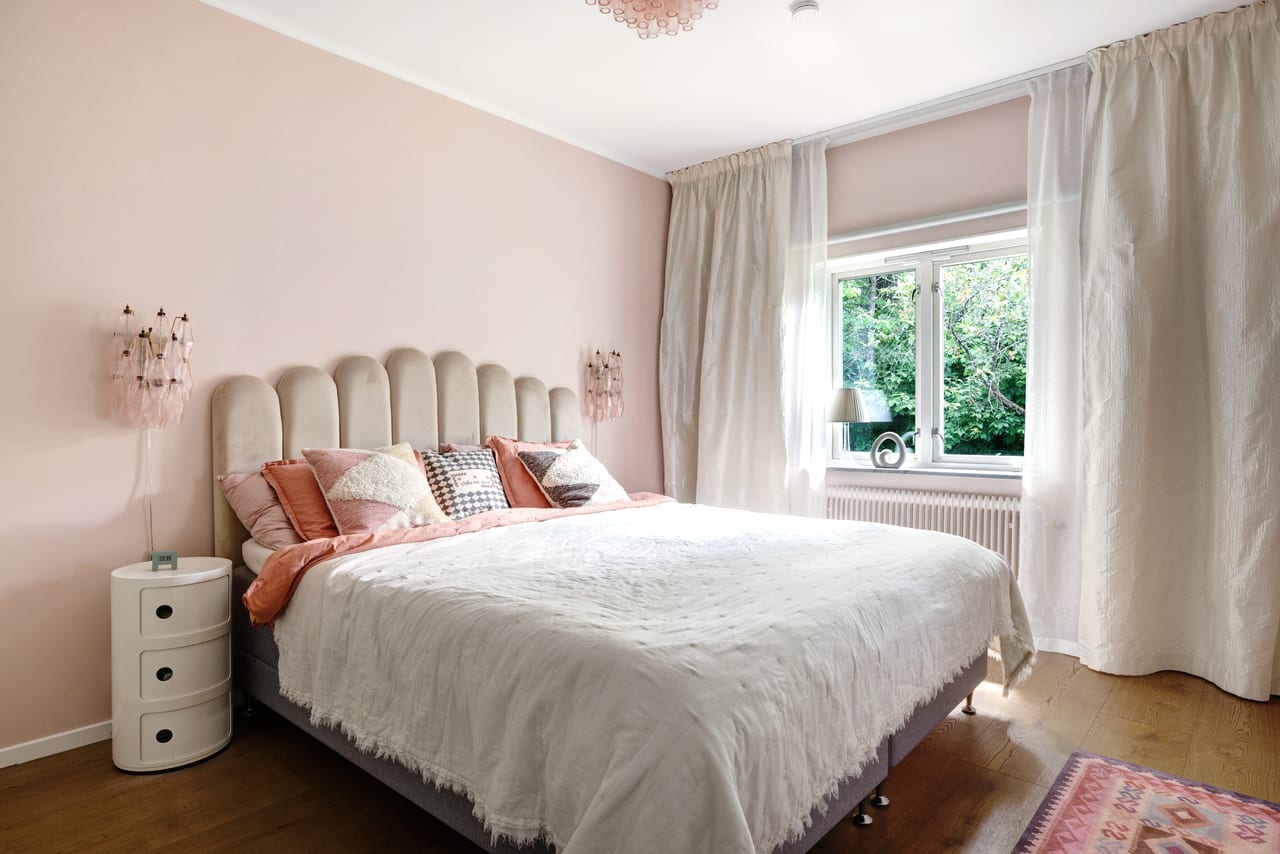
Bedroom
- a proper bed and mattress per person
- duvet, pillow and bed linen
- blackout
- a wardrobe or other storage
Living room and workspace
- sofa and lighting
- a table and a chair to work at
- wifi that works
Kitchen
- crockery, glasses and cutlery for the number of people living there
- saucepans, a frying pan and knives
- a coffee maker or kettle
Bathroom and laundry
- towels
- a washing machine or access to a laundry room
- a vacuum cleaner and cleaning equipment
One month or two years
Someone staying a month needs everything from day one. Someone staying a year often brings their own things and wants to be able to put away some of what is there. Ask the company what the person who will live there needs, and write it in the agreement.
Inventory list with quantities, condition and photos
An inventory list makes it possible to show what was there and in what condition. A suggestion for columns:
| Column | What to write |
|---|---|
| Room | Kitchen, bedroom 1, bathroom |
| Item | Sofa, bed, coffee maker |
| Quantity | How many |
| Condition at move-in | New, good, worn, with a note |
| Photo | The photo's number |
| Condition at move-out | Filled in at move-out |
| Action | Repair, replace, none |
Sign the list together with the company's contact person at move-in, and do the same at move-out.
Moving in and moving out
Go through the home with the inventory list, take photos and read the meters if electricity or water are paid by consumption. When the rental period has ended, the tenant must leave the home no later than 12 noon the following day, unless you have agreed otherwise.
Source: Private Letting Act (2026:772), Chapter 6, Section 12
Cleaning, consumables and laundry
Decide who cleans during the period and who does the final cleaning, whether linen and towels are changed and by whom, and who buys toilet paper and washing-up liquid. If it is in the agreement, you do not have to guess.
If cleaning and linen are included, the rental can start to resemble hotel operations, and that can affect VAT. See tax when you rent out to a company.
Wear, damage and missing equipment
The tenant must compensate for damage caused through fault, also when someone in the household, a guest or someone working in the home for the tenant causes it. The tenant must tell you immediately when damage or a defect needs to be dealt with quickly, and can otherwise be liable for what follows from it not being done.
Source: Private Letting Act (2026:772), Chapter 4, Sections 3 and 4
Normal wear from someone living in the home is a different thing from damage. Write in the agreement how you tell them apart, for example that anything listed as new in the inventory list and broken at move-out is gone through together.
During the rental period you must keep the home in the condition you agreed, unless you have agreed otherwise. So if something breaks that is not the tenant's fault, it is as a rule your responsibility to repair it.
Source: Private Letting Act (2026:772), Chapter 3, Section 1
Insurance
Talk to your insurance company before you rent out. Tell them that the tenant is a company, how long the rental lasts and what is in the home, and ask for a written statement of what the insurance covers. Ask the company whether the occupant has their own home contents insurance.
Frequently asked questions about furnished rental to companies
The answers are general and should not be taken as legal advice. Check your own situation before you sign an agreement.
What should a furnished home include?
The law says nothing about it. What applies is what you agree, so write down what is included.
Do I need an inventory list?
The law does not require it, but the condition at the date of access must match the agreement. A list with photos makes it easy to show what you agreed.
Who pays if something breaks?
The tenant compensates for damage caused through fault. If something breaks that is not the tenant's fault, it is as a rule your responsibility to repair it.
Can cleaning be included in the rent?
Yes, if you agree on it. If cleaning and linen are included, the rental can start to resemble hotel operations, and that can affect VAT.
Next steps
Make the inventory list before you sign the agreement, so that it can become an appendix to it.
Thinking about renting out your home to a company? Tell us about your home and we will get in touch and go through what it suits.
More guides on corporate housing:


