This is an overview, not legal, tax or insurance advice. Always check your situation with the Swedish Tax Agency (Skatteverket), your insurer, a lawyer or another relevant adviser before you rent out.
Introduction: why a cottage is a special kind of Airbnb rental
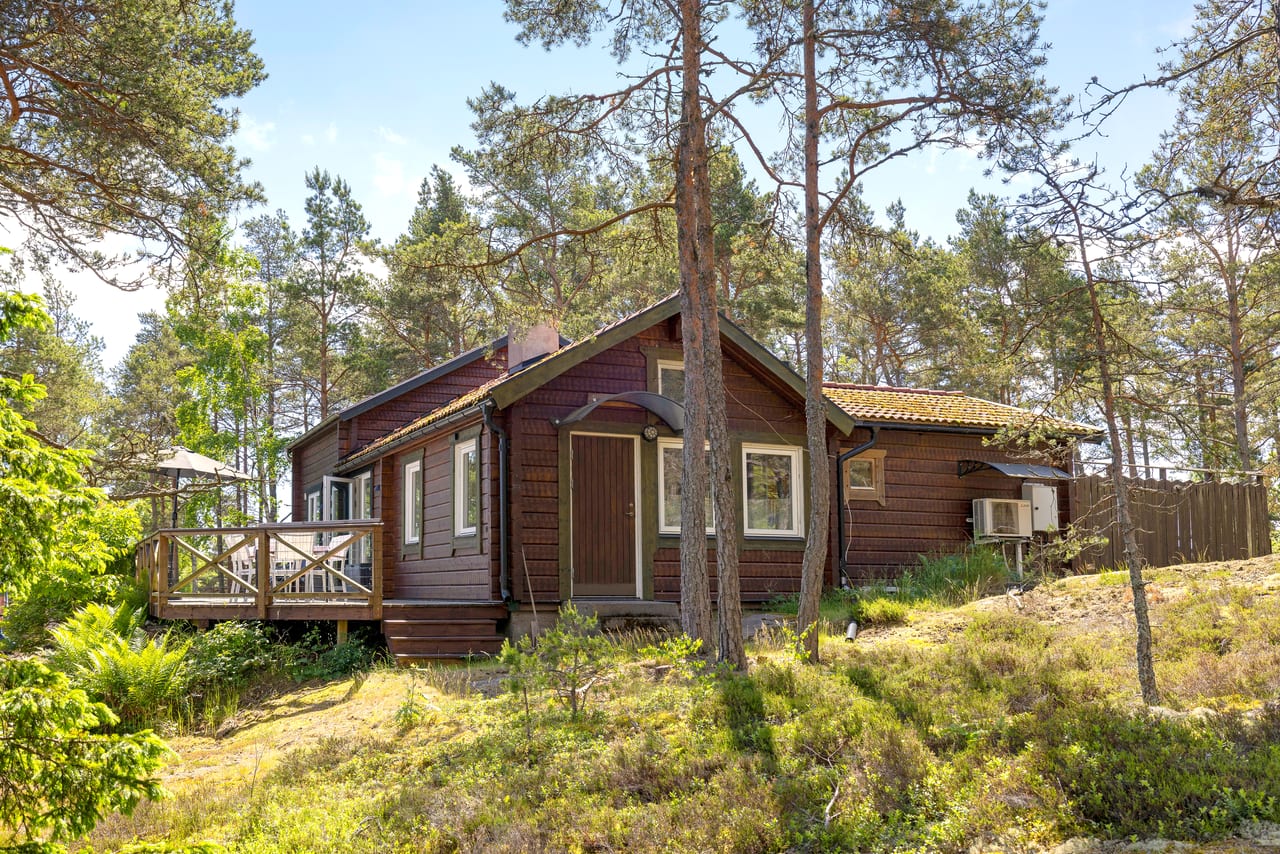
Many people who own a cottage, summer house or holiday home only use it part of the year. The rest of the time it stands empty, even though there can be strong demand from guests who want to stay close to nature, water, the mountains, the archipelago or somewhere quieter.
Renting out a cottage is different from renting out an apartment in town. Demand is often more seasonal, guests have different expectations and the practical setup needs more planning ahead. A cottage may have its own well, a private sewage system, wood heating, a sauna, a boat, a gravel road, simpler heating or instructions that guests need to understand for the stay to work.
This guide is for you if you want to rent out a cottage on Airbnb and understand what affects income, demand, tax, insurance and practical responsibility. If you have a holiday home and want to see Norli's service in more concrete terms, read more about how to rent out a holiday home.
What decides whether your cottage suits Airbnb?
Not every cottage is equally suited to Airbnb. What decides it is often the combination of location, season, standard and how easy it is to look after guests between stays.
Location matters a lot. A cottage by a lake, the sea, the mountains, a swimming spot or the archipelago can be attractive even if it is simple. The Stockholm archipelago is a clear example of a market where location, being near water and the summer feeling often weigh heavily. In other areas, closeness to hiking trails, skiing, nature reserves or larger towns may matter more.
Standard matters too. Guests who book on Airbnb normally expect clear photos, a working kitchen, clean beds, good instructions and accurate information about what is included. Internet, a shower, a toilet, heating, parking and an easy way to get there can affect both price and occupancy.
Another important factor is how often you actually want to rent out the cottage. Some owners only want to rent out a few high-season weeks. Others want to fill weekends, school holidays and the low season. The two setups need different strategies.
Cottage, summer house or holiday home: do the words matter?
In practice the words are often used for the same kind of home. Many people search for "rent out a cottage" or "rent out a summer house", while Norli often uses holiday home as the broader term for homes that are not lived in permanently. If you would rather read about the service than about renting out, it is on the page about how to rent out a holiday home.
Season and price: the key question when you rent out a cottage
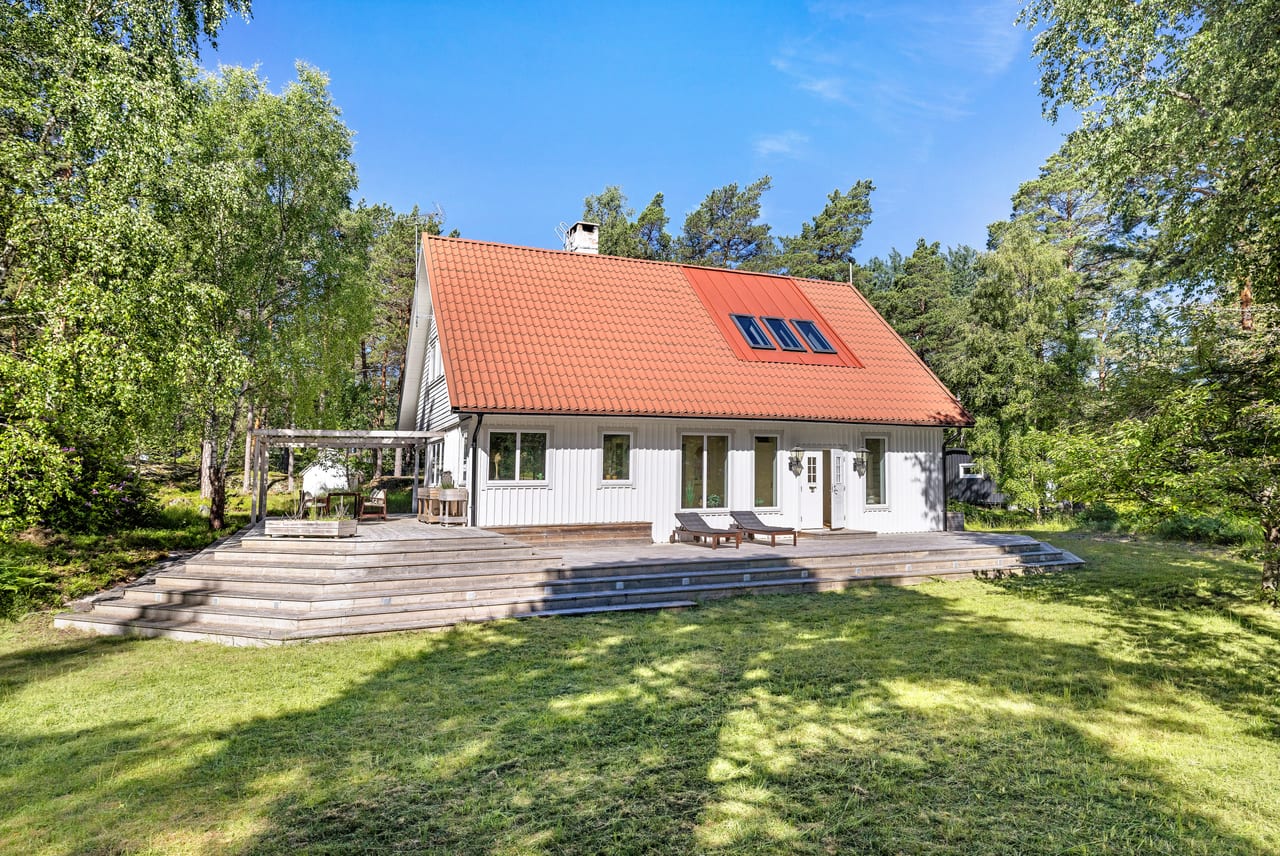
Season is often the biggest difference between renting out a cottage and renting out a home in the city. An apartment in Stockholm can have fairly even demand through the year, while a summer house can have very high demand for a few weeks and much weaker demand the rest of the year.
For many summer houses, summer matters most, especially from late June to August. For mountain cabins, winter weeks, the February sports break, Easter and long weekends may instead be the strongest periods. For cottages near larger towns, weekends in spring and autumn can also work well, especially if the home suits couples, families or small groups who want to get away for a few days.
So you should not set a single average price for the whole year. The price should reflect season, day of the week, lead time, demand, weather, local events and how unique the cottage is.
High season, low season and gaps in the calendar
When you rent out a cottage on Airbnb, the calendar is almost as important as the price. The high season should not normally be treated like the rest of the year. If you price July the same way as September, you may leave money on the table. If you price the low season too high, you may end up with empty weeks.
A common mistake is to think only "what do I want per night?". A better question is: which periods are most attractive, which gaps do I want to fill, and when do I want to use the cottage myself?
For some owners the goal is to rent out a few high-value weeks. For others it is to build recurring bookings over a longer season. The right strategy depends on how you use the cottage yourself.
Should you rent out per night, per weekend or per week?
Cottages often work differently from city apartments. In high season, weekly bookings can be more practical. They mean fewer check-ins and check-outs, less cleaning logistics and often more notice.
In the low and shoulder seasons, weekends or shorter stays can work better. Guests may want to book two or three nights for a short break from everyday life. This can suit cottages near a larger town, in the archipelago, close to nature or in an area where people travel for weekend activities.
When you plan to rent out a cottage, set the minimum stay according to the season. The same rule does not have to apply all year.
What can you charge for renting out a summer house?
There is no price that applies to summer houses in general. Two houses with the same floor area and the same number of beds can sit at completely different price levels depending on where they are and when they are rented out, and a guide price that seems to apply to every cottage will be wrong for most of them.
What actually drives the price:
- Location. Which landscape, which coast or which mountain area, and how well known the area is among the guests who are searching.
- Distance to water. A private beach, jetty or waterfront plot weighs more than almost anything else for a summer house. The difference between being on the water and being within walking distance of a swimming spot is usually large.
- The season. The same week in July and in September are two different products. The price needs to follow demand through the year rather than an annual average.
- The standard. Insulation for autumn and winter, a working kitchen, a shower and an internet connection decide whether the house can be rented out for more than a few summer weeks.
- The number of beds. The nightly rate follows how many people fit, but only up to a point. A cottage with eight beds is rarely rented by eight people outside the high season.
- Closeness to a city. A short journey makes weekends and shorter stays possible, and those are what fill the calendar between the high seasons.
The factors also pull in different directions on the same house. A simple house with its own jetty can be priced higher than a well-equipped house with no access to the water, while the well-equipped house can be rented out for many more weeks a year. That is why a guide nightly rate rarely says anything useful without the calendar beside it.
If you want to see what the factors mean for a particular house, you can get a report for the address. It calculates from the location, type of house and local conditions rather than from an average.
Tax when you rent out a cottage or holiday home
Tax is not the main subject of this guide, but it is an important part of the calculation. For tax purposes, a cottage or holiday home is normally treated as a house if it is a private home. That means you can usually use the standard deduction and also deduct 20 percent of the rental income.
Source: Skatteverket: Renting out a private home (in Swedish)
A surplus from renting out a private home is normally taxed as capital income. How much tax you pay depends on the income, the deductions and whether the home counts as a private home in your case.
Tax and VAT depend on the status of the home, your income, the scale and the setup. Always check current information with the Swedish Tax Agency or an accountant.
To read more about tax when renting out a holiday home, the standard deduction, VAT and examples, see our separate guide on tax on Airbnb. It goes through the rules in more detail.
VAT, and when renting out a cottage can resemble a hotel business
VAT can apply if the rental becomes extensive and resembles a hotel business. The Swedish Tax Agency sets out criteria for when that happens, for example that the home is rented out furnished, more than occasionally, as temporary accommodation and marketed by the night or week, or that services such as cleaning or a change of linen are offered. The assessment also depends on your other VAT status, and the full rule is in our guide on tax on Airbnb.
Source: Skatteverket: Renting out a private home (in Swedish)
If you only want to rent out the cottage for the odd week a year, VAT is often not the first question. But if the cottage is rented out regularly, actively marketed and combined with hotel-like services, the VAT question can become more important.
This is also a reason to think through the setup early. The more professional and extensive the rental becomes, the more important it is to have tax, VAT, insurance and records in order.
Insurance when you rent out a cottage
Insurance is one of the most common questions when someone wants to rent out a cottage. That is wise. A holiday home insurance policy is not always designed for recurring short-term rental to different guests.
A standard policy may cover certain kinds of damage, such as fire, water or burglary, but the terms can differ a lot between insurers. Deliberate damage by a tenant, damage to guests' own belongings, or frequent rentals may need to be checked specifically.
Source: Villaägarna: Renting out your holiday home (in Swedish)
Insurance terms differ between insurers. Always check with your insurer before you rent out the cottage.
Questions to ask your insurer
Before you rent out, contact your insurer and ask:
- Does the holiday home insurance cover short-term rental?
- Does it apply if different guests stay several times a year?
- What applies in case of fire, water damage, vandalism and theft?
- Is damage caused by a tenant covered?
- Do I need additional insurance?
- Are there limits if I rent out on Airbnb?
- What does the platform cover, and what does it not cover?
- Does the insurance cover the sauna, boat, jetty, storage or guest cottage?
It is better to get this in writing before the first booking than to discover a limitation after damage.
Airbnb, Stugknuten or an agency: which channel suits a cottage?
Airbnb is a strong platform, but it is not always the only or the best channel for cottages. It depends on the audience, location, season and how you want to handle the rental.
Airbnb can work well for flexible periods, international guests, weekend bookings, distinctive presentation and the low or shoulder season. The platform is also strong when the home looks good in photos and guests want to book easily with calendar, payment and reviews in one place.
Swedish cottage platforms or established agencies, on the other hand, can work well for classic summer weeks, Swedish guests and cottages in established holiday areas. Many guests looking for a traditional summer house do not necessarily start on Airbnb.
The important thing is not to treat the choice of channel as a matter of faith. For some owners Airbnb is best. For others Stugknuten, Novasol, Blocket, Vrbo or a combination works better. A serious strategy for renting out a cottage should start with who the guest is and when the cottage is most attractive.
When Airbnb works particularly well
Airbnb can work particularly well when:
- the cottage is unique or visually striking
- you want to reach international guests
- you want to fill weekends and shorter stays
- you want to try the low and shoulder seasons
- the cottage is close to a town, the archipelago, the mountains or nature experiences
- you want reviews, calendar and payments in the same system
Searches for "Airbnb cottage" can also catch guests who have not planned far ahead, especially for shorter stays.
When a Swedish cottage platform or agency may work better
A Swedish cottage platform or agency may work better when:
- you want to rent out the summer house by the week
- the audience is mainly Swedish families
- the cottage is in a classic holiday area
- you want fewer but longer bookings
- you want to avoid too many check-ins and check-outs
- you prefer a more traditional cottage rental setup
An agency can also be relevant if you want help with parts of the process. At the same time, you need to understand the fees, responsibilities and how the income is reported.
Rent out a cottage through an agency or manage it yourself?
Three different things are often called the same thing, and the difference decides who does the work and who carries the responsibility.
A listing platform is a marketplace. Airbnb, Stugknuten and Blocket show the listing, take payment from the guest and pass the money on. Everything else is yours: the price, the calendar, guest contact, keys, cleaning and follow-up. The fee pays for the booking being brokered, not for the work around it.
An agency goes a step further. The agency markets the holiday home to its own customer base, signs the agreement with the guest and handles the booking. The owner is often still responsible for keys, cleaning and supervision on site, or buys those parts separately. This setup is common in established holiday areas and usually relies on weekly rentals during a fixed season.
Full-service management takes over the operations. The listing, photos, pricing, guest screening, check-in and check-out, cleaning, linen, inspection and reporting sit with the manager, while the owner keeps the calendar and decides which periods the house is available.
Which one suits you depends less on the cottage than on how much you want to do yourself. If you already handle guest contact and cleaning and it works, a listing platform is often enough. If you live far away, rent out often or want to avoid handling every single booking, the question is the operations, not the listing.
The difference shows most clearly when something goes wrong. With a late cancellation, damage or a guest who cannot get in, the setup decides whether it is you who gets the call or someone else.
Read more about what it means to rent out a holiday home and what Airbnb management covers.
Practical steps: how to prepare the cottage for renting out
Renting out a cottage successfully is not just about creating a listing. Guests who book a cottage need clear information before arrival, during the stay and at departure.
Start by going through which dates you want to rent out. Block your own dates early. Then decide whether you want to prioritise high season, weekends, school holidays or a longer rental period.
Next, review standard and safety. Check smoke alarms, fire extinguishers, locks, electricity, heating, water, sewage, stairs, the jetty, the sauna and anything else that could affect the guest's safety.
Good preparation can look like this:
- Decide which dates and periods are available.
- Choose your audience: families, couples, friends, companies or international guests.
- Set seasonal prices.
- Take clear photos of the cottage and its surroundings.
- Write an honest listing that sets the right expectations.
- Create house rules.
- Plan keys and check-in.
- Secure cleaning and supervision.
- Check your insurance.
- Keep records for tax and fees.
The cottage instructions matter more than you think
Cottages often have more special arrangements than ordinary apartments. Guests may need to understand how to use the sauna, open fireplace, heat pump, boat, well, sewage system, rubbish sorting, parking, gate, alarm or key box.
So write clear instructions. They reduce the risk of questions, damage and dissatisfaction. They also make the stay feel safer for the guest.
Examples of instructions that are often needed:
- how the heating works
- where the main power switch and water shut-off are
- how rubbish is sorted
- how the guest finds the way
- what applies to lighting fires
- what applies to the sauna, boat or jetty
- what the guest should do at departure
- who the guest contacts if something happens
When you rent out a cottage on Airbnb, clarity is part of the experience. It affects both reviews and how much work you yourself need to put in during the stay.
Risks when you rent out a cottage often
Most risks with renting out a cottage are about practical operations: cleaning, wear and tear, damage, neighbours, rubbish, fire risk and guests who do not understand how the home is used.
If you rent out often, the rental can also start to resemble a more professional business. Then it becomes more important to check tax, VAT, insurance and any other rules. We do not go into the line between private rental and business activity here, as that assessment depends on the overall picture.
If you want to rent out a cottage privately for a few weeks a year, the most important things are often clear terms, the right insurance, safe routines and good records. If you rent out several cottages or rent out very regularly, you should check your situation more carefully with the Swedish Tax Agency or an adviser.
How Norli can help you rent out a cottage
Norli helps owners of cottages, summer houses and holiday homes with all or part of the rental process. That can include a report, advice, the listing, photos, listing copy, pricing, guest screening, guest communication, cleaning coordination and follow-up after each stay.
For cottages, the seasonal strategy is especially important. It is about understanding when demand is strong, which periods you want to use the home yourself and how the calendar should be managed for the rental to stay manageable.
Norli can also help with a more professional setup around presentation, guest contact and peace of mind. You can read more about how it works and about the Norli Promise.
Frequently asked questions about renting out a cottage on Airbnb
The answers below are general and should not be taken as legal, tax or insurance advice. Always check your own situation with the Swedish Tax Agency, your insurer or another adviser.
Is it profitable to rent out a cottage on Airbnb?
Renting out a cottage on Airbnb can be profitable, but the result depends on location, season, standard, number of beds, price, occupancy, cleaning and costs. The high season and the right presentation often play a big part.
When is the best time to rent out a cottage?
For many summer houses, summer is strongest, especially the weeks when many people are on holiday. For mountain cabins, winter, the February sports break, Easter and long weekends may matter more. The season should guide both price and availability.
What should you think about before renting out a summer house?
Before you rent out a summer house, check insurance, tax, cleaning, keys, instructions, house rules, fire safety and how guests can reach you if something happens. You should also decide which periods you want to rent out and which you want to use yourself.
Does the same tax apply to a cottage as to a house?
If the cottage is a private home, the rules for houses normally apply. That means the standard deduction plus a further deduction of 20 percent of the rental income. Always check your situation with the Swedish Tax Agency, especially if the rental is extensive.
Do I need to pay VAT when I rent out a cottage?
VAT can apply if the rental is extensive and resembles a hotel business. The assessment depends on both turnover and setup, for example whether the home is rented out furnished, regularly and with services.
Does my insurance cover me when I rent out the cottage?
That depends on the insurance terms. Always check with your insurer before you rent out, especially for recurring short-term rental. Ask what applies in case of fire, water damage, theft, vandalism and damage caused by tenants.
Is Airbnb the best platform for a cottage?
Not always. Airbnb can be strong for flexible bookings, international guests, weekend stays and the low or shoulder season. Swedish cottage platforms may work better for traditional summer weeks and Swedish guests.
Can Norli help me rent out a cottage?
Yes. Norli can help with the report, listing, pricing, guest screening, guest communication, cleaning coordination and follow-up for cottages, summer houses and holiday homes.
Next step: see what your cottage could earn
Renting out a cottage on Airbnb can be a good setup for the right home, but the result depends on more than just publishing a listing. Season, location, presentation, insurance, tax, cleaning and guest handling need to fit together.
For a more general look at the income side, read our guide on how much you can earn on Airbnb. To read more about the whole process, see the guide to renting out on Airbnb in Sweden.
Wondering what your cottage, summer house or holiday home could earn? Get your report from Norli for an estimate based on the address, type of home and local conditions.
See what your summer house could earn
The report shows price levels by season, estimated occupancy and what renting out could earn over the year. It is based on your address and takes under 10 seconds.
See my potential rent

