Why Värmdö can suit renting out a house
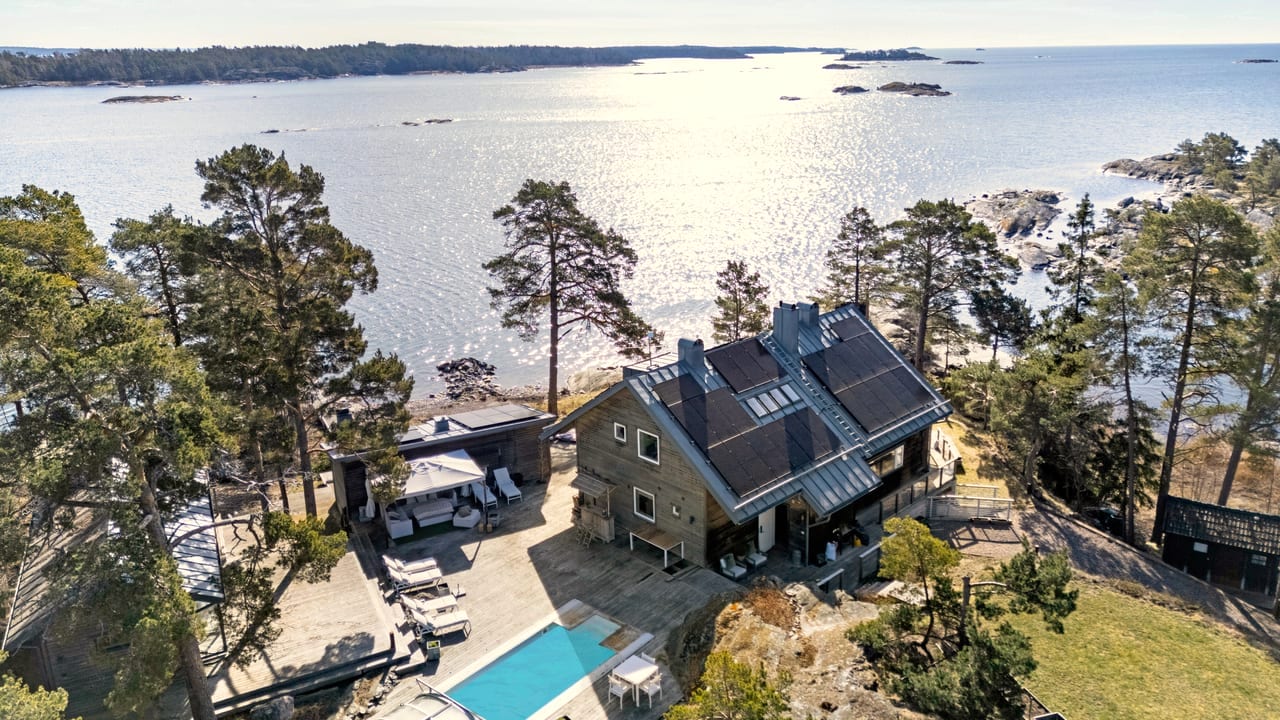
Värmdö has a clear archipelago profile that sets it apart from more urban house areas. Many guests here are not just looking for a place to sleep, but for an experience of water, nature, calm and space. It might be a family who wants to stay near swimming spots and rocks, a group wanting a longer stay close to Stockholm or international guests who want to combine the city and the archipelago.
This is an important difference. The appeal often lies in the whole: the house, the grounds, the location, the outdoor space, the chance to cook together, eat out on the deck and have a more private stay than in a hotel. A house or holiday villa can therefore suit guests who travel together and want to stay more than one night particularly well.
Areas such as Gustavsberg, Hemmesta, Ingarö, Värmdölandet, Saltarö, Skärmarö, Djurö and Stavsnäs can have different characters. Some locations are more practical for guests who want services and transport nearby. Others are more clearly shaped by nature, swimming, boating and calm. Stavsnäs can work as a starting point towards the islands, while Gustavsberg is often closer to everyday life and easier to reach.
Renting out on Värmdö does not suit every house, though. A house far from services can appeal to some guests, but needs clear information about cars, parking, distances and practical details. A house near the water can be strong in the listing, but also needs clear rules on the jetty, swimming, child safety and responsibility. That is why every home should be assessed individually.
If you want to compare Värmdö with other areas, read more about how to rent out a house in Stockholm, rent out a house in Nacka and rent out a house on Lidingö.
Which guests look for houses on Värmdö?
Guests looking for a house on Värmdö are often after something other than a traditional city stay. They want to stay together, have more space, get close to nature and still be able to get into Stockholm. They might be families with children, extended families, international guests, couples travelling with friends or people who want to stay longer in a quieter setting.
That is why it is important to understand which guest profile the house suits best. A larger house with several bedrooms, a good kitchen, parking and a garden can work for families or groups who want to spend time on site. A smaller holiday villa can suit couples or small groups looking for an archipelago feel, swimming, nature and seclusion.
Many Värmdö guests may also depend more on a car than guests in the city centre. That makes parking, directions and clear instructions especially important. If the guest is coming from abroad, the information needs to be simple and concrete, and ideally explain things Swedish guests take for granted, such as rubbish collection, electricity, heating, water, locks, alarms and how to be considerate towards neighbours.
For longer stays, how the home works matters even more. Guests may expect stable wifi, a good workspace, working laundry facilities, a fully equipped kitchen and clear routines if something needs fixing. So it is not just about a beautiful location. It is also about the home working as a safe and practical place to live for the whole stay.
Season and demand
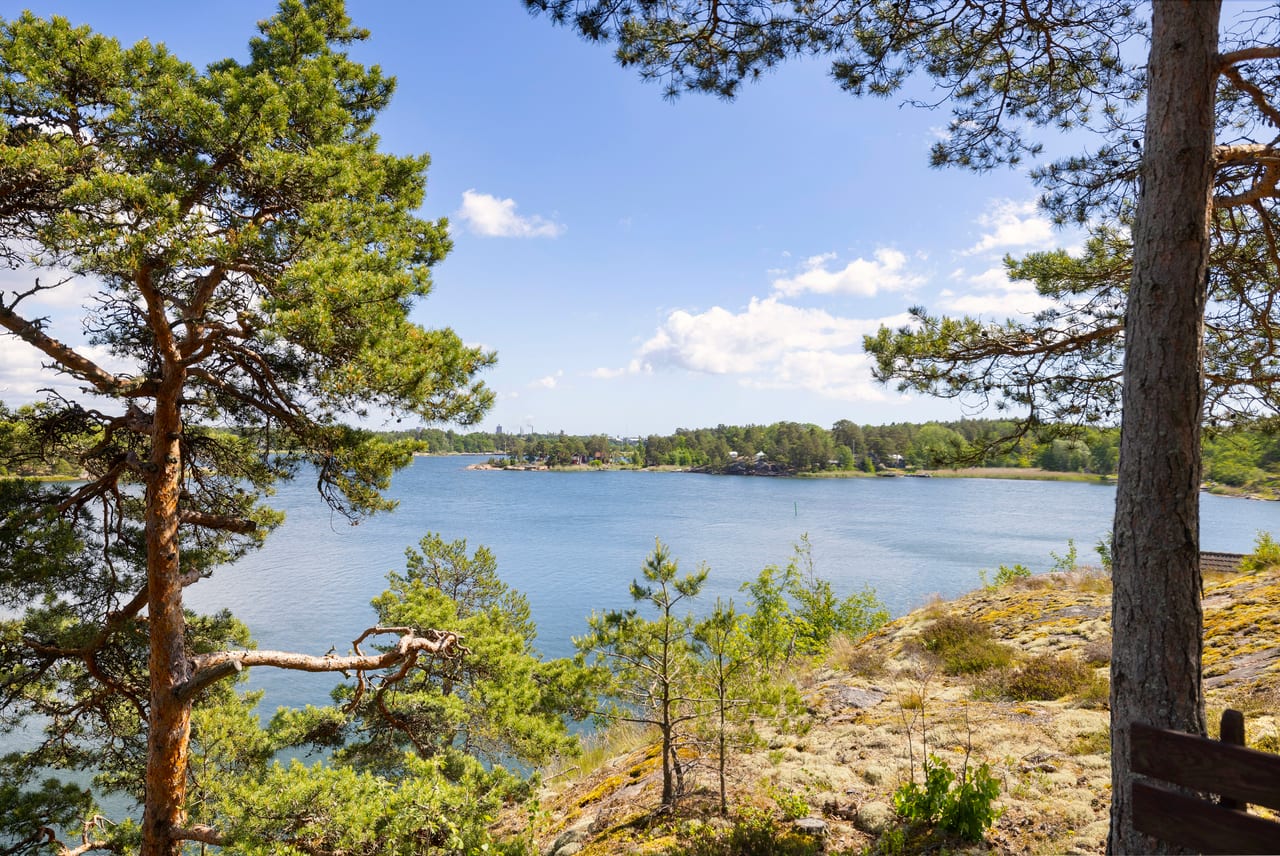
The season is one of the most important questions here. Unlike many homes close to the city, demand is often more concentrated in summer, school holidays, weekends and periods when guests are actively looking for the archipelago, swimming and outdoor life. That means you gain by thinking in clear seasons, not in an even year-round flow.
The high season is mainly the summer, roughly from late spring to late summer, plus school holidays and some strong weekends. That is when demand for archipelago houses is often at its clearest. Swimming, boating, light evenings, life on the deck and closeness to nature drive bookings. During this period the price level can often be higher than in the rest of the year, but the calendar also makes the greatest demands. Cleaning, keys, inspections, rubbish collection and resetting need to work without gaps, especially if bookings are close together.
The shoulder season, often spring and early autumn, works differently. There is demand, but it is usually more uneven. Guests may be drawn by quieter stays, nature, weekends, school holidays or the chance to stay in an archipelago setting without the midsummer rush. The shoulder season can be worthwhile, but pricing needs to be more flexible. It can also be wise to think about longer stays rather than trying to fill many short gaps.
The low season is the darker months, when demand for a pure archipelago experience is often lower. Bookings may then come from guests with particular needs, longer stays, remote work, temporary housing or periods when the house would be empty anyway. Here, realistic expectations matter more than trying to fill every night. An empty calendar does not have to mean the setup is wrong, only that the market behaves seasonally.
This is what sets Värmdö apart from house areas close to the city such as Bromma, Lidingö and Nacka. There, demand can more often be linked to Stockholm, everyday logistics, work, family visits or more even transport links. Värmdö follows more of the archipelago's rhythm. A house can be very attractive in July but need more thought in November.
The conclusion is simple: build the calendar around periods. High season calls for preparation and control. The shoulder season calls for flexible pricing. The low season calls for patience and reasonable expectations. That is not a weakness, but part of how Värmdö's market works.
The seasonal rhythm is the same for holiday homes further out in the archipelago. If you want to see how it looks for simpler accommodation, we have a guide to renting out a summer house on Airbnb, with the same questions about high season, inspections and realistic expectations.
Which houses and holiday homes are best suited?
The houses and holiday homes that work best have a clear idea. It might be an archipelago feel, good outdoor space, several beds, easy parking, a working kitchen, stable wifi and a layout that makes it easy for guests to stay together. It does not have to be a big house, but it does need to be well thought out.
Presentation is especially important. Guests need to understand quickly what the house offers and what it does not. Is it close to water? Are there places to swim nearby? Is a car needed? Is the road easy to find? How many can sleep comfortably? Are there stairs, changes in level, a jetty, a sauna, a pool or anything else that needs clear rules?
Holiday homes can be especially relevant, since many owners do not use the house for the whole season. At the same time, holiday homes can have practical conditions that need describing honestly. That can concern water, drainage, heating, rubbish collection, roads, mowing the lawn, mosquitoes, weather, the distance to a shop or what guests need to bring themselves.
A common mistake is to highlight only the beauty and forget the logistics. A house in an archipelago setting can look very attractive, but if the guest does not understand how keys, parking, rubbish collection and check-in work, uncertainty follows. That is why the listing should be both inspiring and practical.
Norli helps you judge whether your home works better as a house, a holiday villa or as more season-driven accommodation. If your main question is about renting out a holiday home, you can also read more on Norli's page about how to rent out a holiday home.
What affects the income when you rent out a house on Värmdö?
When you want to rent out a house on Värmdö, the income is affected by several factors at once. Location matters, but it does not decide on its own. A house close to water can be attractive, but standard, beds, accessibility, parking, outdoor space, guest profile, photos, the calendar and practical peace of mind also play a big part.
The season weighs heavily. High summer can carry a different demand from October or November. School holidays, weekends and longer breaks can create peaks. At the same time, a well kept house with a good layout and a clear listing can have better conditions than if the guest has to guess how the stay works.
It is rarely right to think in a fixed price all year round. Pricing should take account of season, day of the week, length of stay, demand, cancellation risk and how much practical work each booking involves. Longer stays can sometimes be easier to handle than many short bookings, especially when cleaning and inspections involve more logistics.
An illustrative example, not a promise for your house. One house can be made available intensively during the summer weeks, with higher demand but also more pressure on cleaning, keys, checks and resetting between guests. Another house can be made available more spread out over the year, with a calmer calendar, more varied demand and often more need for flexible pricing. The first setup can give a clearer seasonal peak but needs closer operational control. The second can give more even use of the home but needs patience, a longer booking horizon and realistic expectations. In both cases the assessment should end in an estimated income after known deductions, not a promise of results.
Any fees and costs depend on the setup and are covered in the individual report. If you want to see how Norli assesses your house, you can get your report.
Inspections, keys and management from a distance
Remote inspection is one of the biggest differences between renting out on Värmdö and renting out a home the owner lives close to. Many Värmdö owners use the house for part of the year, but are not always there when guests arrive, when they check out or when something needs sorting out.
That makes key handling especially important. Guests need to be able to get in without uncertainty, but the solution also has to be secure. A key box, a digital lock or another solution needs to work in practice, also in the dark, in bad weather or if the guest arrives late. The instructions should be simple, clear and tested in advance.
Cleaning logistics are another central question. On Värmdö the distances can be longer, and it is not always as easy to get help quickly as in the city centre. If you rent out regularly, you need to know who cleans, who checks the house after the stay and who reports if something is missing, broken or needs fixing.
Inspections are not just about finding damage. They are also about checking that the house is ready for the next guest. Is the heating set correctly? Are the windows closed? Does the wifi work? Has the rubbish been dealt with? Are the jetty, deck and outdoor areas in good condition? Are there clear signs that the rules have not been followed?
Norli helps create structure around these steps. That can mean guest communication, instructions, cleaning coordination, follow-up, reporting and dialogue about practical questions. You keep control of your home, but you do not have to handle every detail between bookings yourself.
This is especially valuable when renting out happens during periods when you are not living on Värmdö yourself. Then management is not just a convenience, but a question of peace of mind.
Rules, tax and responsibility
The information on this page is general guidance, not legal or tax advice. Rules on renting out, tax and insurance depend on your situation and can change. Always check with the Swedish Tax Agency (Skatteverket), your insurer and the relevant agreements before you make a decision.
Houses, small houses and holiday homes often raise different questions from apartments. Among other things, you need to understand how the rental income should be declared, whether a surplus can be taxed, how the standard deduction works and which terms apply to your insurance. If several people own the home, responsibility and the tax return can also be affected by the ownership.
You should also think about local and practical rules. That can concern waste handling, parking, fire safety, fireplaces, barbecues, water, drainage, the jetty, swimming, boats, the sauna or other things guests can use. Not everything has to be complicated, but it does have to be clear.
Read more in Norli's guide to tax on Airbnb. If you are unsure, check with Skatteverket, your insurer or an adviser before you start renting out.
Peace of mind, insurance and guest screening
Peace of mind is often the biggest question for owners here. It is not just about damage. It is about who is staying in the house, how guests use the grounds, whether neighbours are disturbed, how the rules are followed and how quickly something is caught after the stay.
Houses and holiday villas need more documentation than many smaller homes. There can be more rooms, more contents, larger outdoor areas, a garage, storage, a deck, a jetty, boating equipment or other things that need clear boundaries. Before renting out, it should be clear what guests may use, what is private and which parts are not included.
Guest screening matters too. A house on Värmdö can attract families and quiet groups, but also bookings where you need to understand the purpose before you accept. Clear house rules, verified guests, earlier reviews and good communication reduce the risk of misunderstandings.
Insurance should be checked before you start renting out. Terms can vary between insurers and depend on the type of home, the scope and how the rental is run. Read more about Airbnb insurance and always check what applies under your own insurance policy.
Norli works with peace-of-mind routines before, during and after the stay. That includes clear guest communication, documentation, house rules, follow-up and reporting when something needs to be noted.
Do it yourself or get help renting out a house?
It is possible to handle the rental yourself, especially if you live close to the house and have time to deal with guests, questions, cleaning and inspections. But on Värmdö the practical responsibility often turns out bigger than many expect. Distances, season, weather, rubbish collection, keys, the garden and outdoor areas mean that every booking needs careful planning.
The choice is often about time and risk. Do you want to answer questions, handle check-in, follow up after guests, coordinate cleaning and solve practical problems yourself? Or do you want a structured setup where someone handles the whole and reports back?
Many underestimate how much communication is needed before and during a stay. Guests may ask about directions, wifi, the barbecue, rubbish, water, heating, the nearest shop, a swimming spot, parking or how certain parts of the house work. If you are not there, the answers need to be prepared already.
Read the guide on doing it yourself or getting help. If you want a more complete setup, you can also read more about how to rent out a house.
How Norli assesses your house
When Norli assesses a house on Värmdö, we do not just look at the location. We look at the whole. That means the home's condition, layout, beds, standard, outdoor space, parking, safety, accessibility, season, guest profile and how easy the house is to look after between bookings.
We need to understand what actually makes the home rentable. A house near the water can be strong, but if the logistics are difficult that needs to be weighed in. A simpler house can work well if it is clear, well kept, easy to find and suits the right group of guests.
We also look at how the home should be presented. Photos, the description, house rules and the calendar need to reflect reality. A good listing should highlight what is attractive, but also explain the practical side. Guests appreciate clarity, especially when travelling to an area where cars, distances and weather can affect the experience.
The assessment also covers inspections. Who can check the house after the stay? How is cleaning handled? Are there parts that should be locked? What do we do if something needs fixing quickly? The clearer these questions are from the start, the safer the setup becomes.
If you want to compare with broader house setups, read more about how to rent out a house or rent out a house on Airbnb.
Frequently asked questions about renting out a house on Värmdö
Can you rent out a house on Värmdö on Airbnb?
Yes, it can be possible to rent out a house on Värmdö on Airbnb, but it depends on the home's location, condition, standard, logistics and how the rental will be run. Houses and holiday homes with clear sleeping arrangements, good outdoor space, parking and working inspections can be relevant. It is not certain that every house is suitable, though. If you want to rent out a house on Värmdö, you should first assess the season, guest profile, practical responsibility and which rules apply to your house.
Which houses and holiday homes on Värmdö are best suited to renting out?
The houses and holiday homes that suit renting out best are usually well kept, clear and easy for guests to understand. They might be homes with several beds, a good kitchen, parking, outdoor space, stable wifi and a listing that shows both strengths and practical conditions. If the house has a jetty, a waterfront location, a sauna or large grounds, the rules need to be clear. To rent out a house on Värmdö safely, the home should also be possible to check and clean between stays.
How does the season affect the income if I rent out a house on Värmdö?
The season often matters a lot. Värmdö has a clear archipelago profile, which means summer, school holidays, weekends and periods with swimming and outdoor life can be in higher demand. During the darker months, demand can be lower or more dependent on longer stays and particular needs. When you want to rent out a house on Värmdö, the calendar, pricing and expectations should therefore be adapted to the season, not built on an assumption of even demand all year.
Do I need to think about special rules for renting out a house?
Yes, you should check the rules on tax, insurance, responsibility and any local or contractual conditions. For houses, small houses and holiday homes the conditions can differ from other types of home. A surplus may need to be declared, the standard deduction may apply and the insurance terms should be checked before you start renting out. The information here is general. Always check with the Swedish Tax Agency (Skatteverket), your insurer and the relevant agreements before you make a decision.
How do inspections and keys work if I do not live on Värmdö?
Inspections and keys need to be planned before the first booking. Guests need to be able to check in smoothly, while key handling needs to be secure. After the stay, the house should be checked, cleaned and reset. That applies especially if you do not live on Värmdö permanently. Norli can help with structure, guest communication, cleaning coordination and follow-up, so that renting out does not depend on you being there yourself.
How do I get started?
The first step is to get a report or contact Norli for a first assessment. We look at the location, season, the home's condition, beds, outdoor space, practical logistics and which kind of guests your house could suit. If you want to rent out a house on Värmdö, we go through what needs to be prepared, how the listing can be built and which peace-of-mind routines should be in place before the home is published.
Read also
Renting out a house in Stockholm
The hub for renting out houses across the Stockholm area, with more house areas.
Renting out a house in Nacka
Houses close to the archipelago and nature, with space and good access.
Renting out a house on Lidingö
Locations near water, a quieter residential setting and longer stays close to Stockholm.
Rent out a holiday home
How Norli helps you rent out holiday homes and summer houses safely.
Airbnb insurance
What to check about insurance before you rent out your home.
Tax on Airbnb
How renting out is taxed, the standard deduction and what to keep in mind.
See what your house could earn
The report shows price levels by season, estimated occupancy and what renting out could earn over the year. It is based on your address and takes under 10 seconds.
See my potential rent

